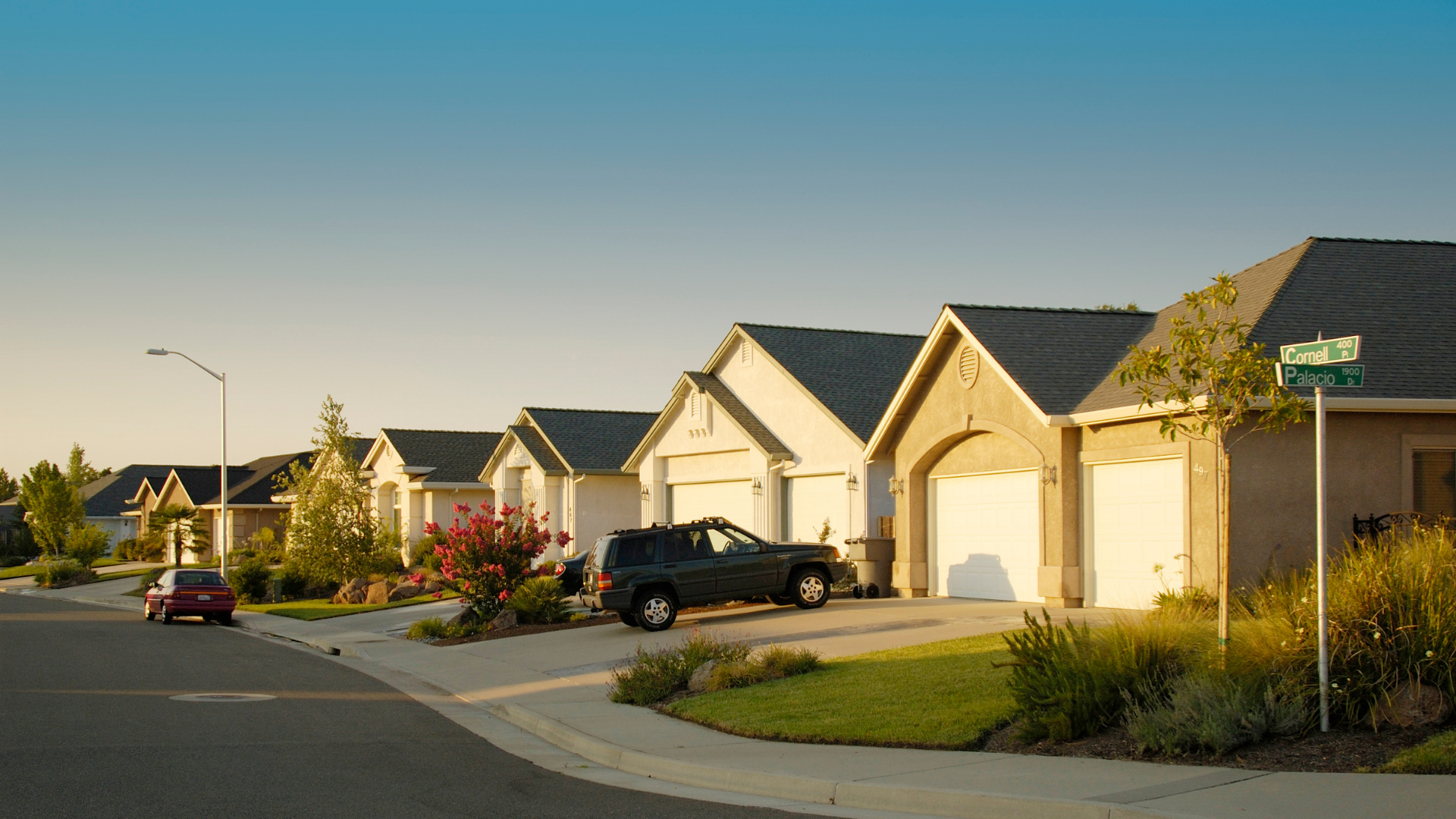
Renovate The Home You Are Buying!

Luisa & Candice Mortgages • March 26, 2025

The best place to start the mortgage process is with a pre-approval. But once you’ve been pre-approved for a mortgage and you’ve been shopping with location in mind, what happens when you can’t find a suitable property?


There's no doubt about it; finding the perfect property within your price range is a difficult task, especially for first-time homebuyers. So, before buyer’s fatigue sets in, maybe you should consider adding the cost of renovations into your purchase.


Buying a property and including the cost of renovations into the mortgage is available through a program called purchase plus improvements. When purchasing a home, you can add the cost of home upgrades into your mortgage, making it a great option if you can’t find something move-in ready and aren’t afraid to do a little work!


But while this sounds simple enough, in all honestly, it’s quite the process. There are some pretty strict rules to follow, but nothing that you can’t handle with the guidance of an independent mortgage professional.


Here’s a quick overview of the process. Firstly, you must provide quotes to the lender ahead of time for the work you would like to complete. It’s good to note that the renovations will have to increase the value of the property accordingly. From there, the lender doesn’t give you the money to do the upgrades; you have to come up with that yourself. However, once the work has been completed and verified by an appraiser, the lender will reimburse you and include the money in your mortgage.


This program isn’t for everyone. Buying a home is a stressful endeavour in and of itself. The added stress of having to undertake renovations right away might not be a good idea. But then again, if you have the financial wherewithal to handle the cost of renovations and like the idea of making it yours from the start, then this might be just the option you’ve been looking for!


Please connect directly; it would be a pleasure to walk through the exact process and outline what securing a purchase plus improvements would look like for you!


Recent Posts

By Luisa & Candice Mortgages January 28, 2026
Bank of Canada maintains policy rate at 2¼%. FOR IMMEDIATE RELEASE Media Relations Ottawa, Ontario January 28, 2026 The Bank of Canada today held its target for the overnight rate at 2.25%, with the Bank Rate at 2.5% and the deposit rate at 2.20%. The outlook for the global and Canadian economies is little changed relative to the projection in the October Monetary Policy Report (MPR). However, the outlook is vulnerable to unpredictable US trade policies and geopolitical risks. Economic growth in the United States continues to outpace expectations and is projected to remain solid, driven by AI-related investment and consumer spending. Tariffs are pushing up US inflation, although their effect is expected to fade gradually later this year. In the euro area, growth has been supported by activity in service sectors and will get additional support from fiscal policy. China’s GDP growth is expected to slow gradually, as weakening domestic demand offsets strength in exports. Overall, the Bank expects global growth to average about 3% over the projection horizon. Global financial conditions have remained accommodative overall. Recent weakness in the US dollar has pushed the Canadian dollar above 72 cents, roughly where it had been since the October MPR. Oil prices have been fluctuating in response to geopolitical events and, going forward, are assumed to be slightly below the levels in the October report. US trade restrictions and uncertainty continue to disrupt growth in Canada. After a strong third quarter, GDP growth in the fourth quarter likely stalled. Exports continue to be buffeted by US tariffs, while domestic demand appears to be picking up. Employment has risen in recent months. Still, the unemployment rate remains elevated at 6.8% and relatively few businesses say they plan to hire more workers. Economic growth is projected to be modest in the near term as population growth slows and Canada adjusts to US protectionism. In the projection, consumer spending holds up and business investment strengthens gradually, with fiscal policy providing some support. The Bank projects growth of 1.1% in 2026 and 1.5% in 2027, broadly in line with the October projection. A key source of uncertainty is the upcoming review of the Canada-US-Mexico Agreement. CPI inflation picked up in December to 2.4%, boosted by base-year effects linked to last winter’s GST/HST holiday. Excluding the effect of changes in taxes, inflation has been slowing since September. The Bank’s preferred measures of core inflation have eased from 3% in October to around 2½% in December. Inflation was 2.1% in 2025 and the Bank expects inflation to stay close to the 2% target over the projection period, with trade-related cost pressures offset by excess supply. Monetary policy is focused on keeping inflation close to the 2% target while helping the economy through this period of structural adjustment. Governing Council judges the current policy rate remains appropriate, conditional on the economy evolving broadly in line with the outlook we published today. However, uncertainty is heightened and we are monitoring risks closely. If the outlook changes, we are prepared to respond. The Bank is committed to ensuring that Canadians continue to have confidence in price stability through this period of global upheaval. Information note The next scheduled date for announcing the overnight rate target is March 18, 2026. The Bank’s next MPR will be released on April 29, 2026. Read the January 28th, 2026 Monetary Report
By Luisa & Candice Mortgages January 21, 2026
So, you’re thinking about buying a home. You’ve got Pinterest boards full of kitchen inspo, you’re casually scrolling listings at midnight, and your friends are talking about interest rates like they’re the weather. But before you dive headfirst into house hunting— wait . Let’s talk about what “ready” really means when it comes to one of the biggest purchases of your life. Because being ready to own a home is about way more than just having a down payment (although that’s part of it). Here are the real signs you're ready—or not quite yet—to take the plunge into homeownership: 1. You're Financially Stable (and Not Just on Payday) Homeownership isn’t a one-time cost. Sure, there’s the down payment, but don’t forget about: Closing costs Property taxes Maintenance & repairs Insurance Monthly mortgage payments If your budget is stretched thin every month or you don’t have an emergency fund, pressing pause might be smart. Owning a home can be more expensive than renting in the short term—and those unexpected costs will show up. 2. You’ve Got a Steady Income and Job Security Lenders like to see consistency. That doesn’t mean you need to be at the same job forever—but a reliable, documented income (ideally for at least 2 years) goes a long way in qualifying for a mortgage. Thinking of switching jobs or going self-employed? That might affect your eligibility, so timing is everything. 3. You Know Your Credit Score—and You’ve Worked On It Your credit score tells lenders how risky (or trustworthy) you are. A higher score opens more doors (literally), while a lower score may mean higher rates—or a declined application. Pro tip: Pull your credit report before applying. Fix errors, pay down balances, and avoid taking on new debt if you’re planning to buy soon. 4. You’re Ready to Stay Put (At Least for a Bit) Buying a home isn’t just a financial decision—it’s a lifestyle one. If you’re still figuring out your long-term plans, buying might not make sense just yet. Generally, staying in your home for at least 3–5 years helps balance the upfront costs and gives your investment time to grow. If you’re more of a “see where life takes me” person right now, that’s totally fine—renting can offer the flexibility you need. 5. You’re Not Just Buying Because Everyone Else Is This one’s big. You’re not behind. You’re not failing. And buying a home just because it seems like the “adult” thing to do is a fast way to end up with buyer’s remorse. Are you buying because it fits your goals? Because you’re ready to settle, invest in your future, and take care of a space that’s all yours? If the answer is yes—you’re in the right headspace. So… Are You Ready? If you’re nodding along to most of these, amazing! You might be more ready than you think. If you’re realizing there are a few things to get in order, that’s okay too. It’s way better to prepare well than to rush into something you're not ready for. Wherever you’re at, I’d love to help you take the next step—whether that’s getting pre-approved, making a plan, or just asking questions without pressure. Let’s make sure your homebuying journey starts strong. Connect anytime—I’m here when you’re ready.
By Luisa & Candice Mortgages January 14, 2026
What Is a Second Mortgage, Really? (It’s Not What Most People Think) If you’ve heard the term “second mortgage” and assumed it refers to the next mortgage you take out after your first one ends, you’re not alone. It’s a common misconception—but the reality is a bit different. A second mortgage isn’t about the order of mortgages over time. It’s actually about the number of loans secured against a single property —at the same time. So, What Exactly Is a Second Mortgage? When you first buy a home, your mortgage is registered on the property in first position . This simply means your lender has the primary legal claim to your property if you ever sell it or default. A second mortgage is another loan that’s added on top of your existing mortgage. It’s registered in second position , meaning the lender only gets paid out after the first mortgage is settled. If you sell your home, any proceeds go toward paying off the first mortgage first, then the second one, and any remaining equity is yours. It’s important to note: You still keep your original mortgage and keep making payments on it —the second mortgage is an entirely separate agreement layered on top. Why Would Anyone Take Out a Second Mortgage? There are a few good reasons homeowners choose this route: You want to tap into your home equity without refinancing your existing mortgage. Your current mortgage has great terms (like a low interest rate), and breaking it would trigger hefty penalties. You need access to funds quickly , and a second mortgage is faster and more flexible than refinancing. One common use? Debt consolidation . If you’re juggling high-interest credit card or personal loan debt, a second mortgage can help reduce your overall interest costs and improve monthly cash flow. Is a Second Mortgage Right for You? A second mortgage can be a smart solution in the right situation—but it’s not always the best move. It depends on your current mortgage terms, your equity, and your financial goals. If you’re curious about how a second mortgage could work for your situation—or if you’re considering your options to improve cash flow or access equity—let’s talk. I’d be happy to walk you through it and help you explore the right path forward. Reach out anytime—we’ll figure it out together.

Luisa & Candice Mortgages 

Contact Me Anytime!

The best way to get ahold of me is to submit through the contact form below. However feel free to give me a shout on the phone as well.
Contact Us